Can Pogo pins work in high temperature conditions?
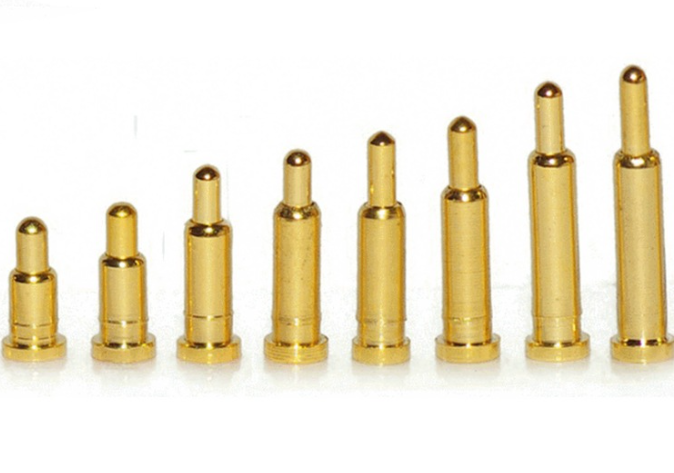
Pogo pins can operate at high temperatures to a certain extent, but their specific heat resistance depends on their materials and design.
Generally speaking, common pogo pins can withstand temperatures ranging from approximately -50°C to 80°C. However, some pogo pins can operate at temperatures as high as 200°C and as low as -65°C. Some specially designed
pogo pins may be able to withstand even higher temperatures, reaching 250°C or even higher. If the spring inside a pogo pin is made of stainless steel, the maximum temperature is generally limited to 80°C. Above this temperature, the stainless steel spring softens, loses its elastic force, and loses its effectiveness. If a pogo pin is to be used in high-temperature conditions, the design requires the use of specialized high-temperature spring materials.
The high-temperature resistance of a pogo pin is primarily influenced by the following factors:
Material Selection:
Plastic: Common high-temperature plastics such as polyamide (PA) or polyester (PET) generally have a temperature resistance between 130°C and 200°C. Materials like HTN (high-temperature nylon) typically withstand temperatures above 150°C, while PA9T (polyamide 9T) can withstand temperatures up to 260°C.
Metal Components: The pin tube and spring of a pogo pin are typically made of copper. While copper has a melting point of 1084°C, the long-term operating temperature in electronic applications is typically between 150°C and 200°C.
Design Factors: Good design can help a pogo pin dissipate heat better, thereby improving its high-temperature performance. For example, a well-designed pin tube structure can increase the heat dissipation area and reduce heat accumulation at the contact point. Furthermore, the spring design also affects the pogo pin's high-temperature performance. The spring's spring constant and material must remain stable in high-temperature environments to ensure proper function.
Current: When a pogo pin is operating, the current flowing through the contact generates heat, causing a temperature rise. The higher the operating current, the more heat generated at the contact point, and the higher the temperature rise. Therefore, when using Pogo pins in high-temperature environments, it's important to consider their rated operating current to avoid overheating due to excessive current, which could affect performance.
In actual applications, if Pogo pins are required to operate in high-temperature environments, the following measures are recommended:
Selecting the appropriate product: Based on the specific operating temperature requirements, select Pogo pins that can withstand the corresponding temperature. Before use, confirm the specific product specifications with the Pogo pin connector manufacturer to ensure they meet your application requirements.
Optimizing heat dissipation design: Pogo pins can be cooled by adding heat sinks and improving ventilation. For example, designing heat dissipation holes in the device casing or installing the Pogo pins near a heat sink.
Controlling operating current: Avoid operating Pogo pins beyond their rated current to reduce heat generation. If high current transmission is required, consider connecting multiple Pogo pins in parallel.
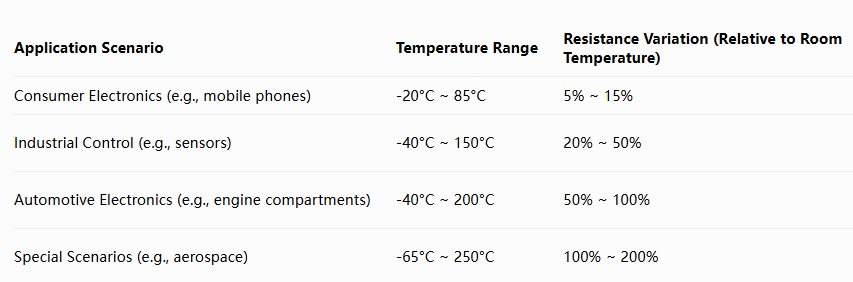
The resistance of a pogo pin consists of two components: the metal body resistance (the barrel, spring, and tip) and the contact interface resistance (the contact points between the tip and the barrel, and between the tip and the mating end). High temperatures affect these two components through different mechanisms, but both ultimately lead to increased resistance.
Metal Body Resistance: Increases Linearly with Temperature
The metal components of a pogo pin magnetic connector(such as the brass barrel, phosphor bronze spring, and gold/nickel-plated tip) are all conductors, and their resistance follows a "positive temperature coefficient" principle—as the temperature increases, the atomic thermal motion increases, the "collision resistance" of the free electrons in their directional motion increases, and the resistance increases accordingly.
How to Reduce the Risk of Resistance Change in High-Temperature Environments
To minimize the impact of high temperatures on Pogo pin resistors, consider three key aspects: selection, design, and process:
Prioritize high-temperature optimized materials:
Metal components: Use beryllium copper (low temperature coefficient of elastic modulus) for springs, and brass with thick gold plating for the needle/barrel (gold is chemically stable and resists oxidation at high temperatures; the recommended plating thickness is ≥1.27μm).
Plastic components: Choose materials with a temperature resistance of ≥260°C (such as PA9T and LCP) to prevent deformation under high temperatures.
Optimize structural design to enhance contact stability:
Spring design: Increase the spring's compression stroke (e.g., from 2mm to 3mm) to offset pressure loss caused by the decrease in elastic modulus at high temperatures and ensure stable contact pressure (recommended contact pressure ≥40g).
Contact interface: Use a "spherical needle + tapered barrel" design to increase the contact area and reduce resistance fluctuations caused by positional deviation.
Control the application environment and parameters:
Avoid the combined presence of high temperature, high humidity, and corrosive gases (such as vehicle exhaust). High temperatures accelerate the erosion of metals by corrosive gases, further deteriorating the contact interface.
Reduced operating current: If the pogo pin is used for current conduction, the current should be controlled within 80% of the rated value to reduce "Joule heating" (heat generated by the current, which, combined with the ambient temperature, further increases resistance).
In Cnomax's experience, Pogo pins have a certain degree of high-temperature resistance. However, when used in high-temperature environments, it's important to comprehensively consider factors such as materials, design, and current. Selecting the appropriate product and implementing appropriate measures ensures stable and reliable operation.

 WhatsApp:+8613652508770