Pogo pin replacement for gold plating cost reduction implementation plan
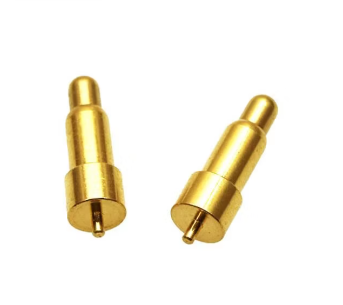
I. Pogo pin Background and Pain Points of the Solution
In the field of electronic connectors, Pogo pins are widely used in consumer electronics, automotive electronics, and medical devices due to their high reliability and low contact resistance. Traditional Pogo pins often use gold plating, leveraging gold's excellent conductivity and oxidation resistance to ensure contact performance. However, gold plating costs 30%-45% of the total cost of a
Pogo pin, and frequent fluctuations in gold prices make cost control difficult. Furthermore, gold plating processes involve high environmental treatment costs and complex procedures, further increasing overall production costs. With intensifying market competition, companies are increasingly eager to reduce costs and increase efficiency, making the search for a gold plating alternative that meets performance standards and offers lower costs a common industry need.
II. Alternative Solution Selection and Technical Demonstration
(I) Recommended Core Alternative Materials
Silver Plating Solution for Pogo Pins: Silver has superior conductivity compared to gold, and its contact resistance can be controlled within 5mΩ, comparable to gold plating. The cost is only 1/5 to 1/3 of gold plating, offering significant cost reduction potential. By adding an anti-oxidation coating (such as a rhodium-ruthenium alloy), the defect of silver's easy sulfidation can be solved, enabling the product to pass salt spray testing for more than 48 hours, meeting the usage requirements of most consumer electronics and industrial equipment.
Pogo pin nickel plating solution: Nickel costs only 1/10 of gold plating, has good wear resistance and oxidation resistance, and a stable contact resistance of 8-12mΩ, suitable for scenarios where contact resistance requirements are not extremely high (such as power connections and general signal transmission). Its hardness can reach HV500 or higher, and its service life exceeds 100,000 mating cycles, superior to traditional gold-plated products.
Partial gold plating + main body nickel plating solution: For critical contact areas, partial gold plating is retained (thickness reduced from the traditional 0.3μm to 0.1μm), while the main body area uses a nickel plating process. Nickel has extremely low cost and excellent solderability, reducing overall costs by 20%-30% while ensuring the reliability of critical contact points, suitable for mixed connection scenarios.
(II) Selection Basis
The alternative solution must meet the core principle of "no performance degradation and significant cost reduction." Key considerations during selection include: ① Contact resistance (≤15mΩ, meeting signal transmission requirements); ② Oxidation resistance (salt spray test ≥24 hours); ③ Abrasion resistance (insertion/extraction life ≥50,000 cycles); ④ Cost reduction (target ≥20%). Enterprises can flexibly choose based on product application scenarios. For example, high-end electronic devices can use silver plating, while ordinary industrial products can use nickel alloy plating.
III. Implementation Steps and Risk Control
(I) Phased Implementation Process
Sample Verification Phase (1-2 months): Select 3-5 core Pogo pin models, commission suppliers to produce alternative material samples, and conduct key indicator tests such as contact resistance, salt spray test, and insertion/extraction life. Compare the performance differences with traditional gold-plated products to select the optimal alternative solution. Small-batch trial production phase (2-3 months): For the selected solutions, conduct small-batch trial production (1000-5000 units) to verify the stability of the production process. Simultaneously, apply the trial-produced products to end products for testing and collect user feedback.
Mass rollout phase (3-4 months): After completing trial production verification, gradually expand the application scope of the alternative solutions to achieve mass production switching across the entire product line. Simultaneously optimize supply chain management, sign long-term cooperation agreements with suppliers, and lock in costs.
(II) Risk Control Measures
Performance Risk: Establish strict sample testing standards. If problems such as excessive contact resistance or insufficient oxidation resistance occur, adjust the plating process promptly (e.g., increase plating thickness, optimize alloy formula).
Supply Chain Risk: Reserve 2-3 alternative material suppliers in advance to avoid production disruptions caused by a single supplier's failure to supply. Clarify quality standards and delivery cycles with suppliers and sign quality assurance agreements.
Cost Risk: Establish a raw material price monitoring mechanism. Adjust procurement strategies flexibly in response to fluctuations in the prices of metals such as silver and nickel, locking in costs through bulk purchasing and long-term contracts.
IV. Solution Benefit Analysis
(I) Cost-Effectiveness
Taking an annual production of 1 million Pogo pins
magnetic connector as an example, the traditional gold plating solution costs approximately 1.5 yuan per unit. After adopting the alternative solution, the cost per unit can be reduced to 1.0-1.2 yuan, resulting in an annual cost reduction of 300,000-500,000 yuan, exceeding 20%. With increased production volume and process optimization, the cost reduction potential can be further increased to 30%-40%.
(II) Additional Benefits
Environmental Benefits: The alternative plating processes (such as nickel plating and tin plating) have lower environmental treatment costs and reduce pollutant emissions by more than 60%, meeting the requirements of green production policies and helping companies improve their environmental image.
Market Benefits: After cost reduction, companies can maintain profits while appropriately lowering product prices to enhance market competitiveness; or invest more resources in product research and development to enhance technological advantages.
V. Cnomax Conclusion
Adopting alternative solutions such as silver plating and nickel plating can achieve significant cost reduction while ensuring that the core performance of Pogo pins is not compromised, simultaneously considering environmental protection and market competitiveness. This solution is technologically mature, with manageable implementation risks, making it suitable for widespread application by various enterprises using Pogo pins. Through phased implementation and rigorous quality control, it effectively addresses the high costs and environmental impacts of traditional gold plating processes, creating substantial economic and social value for businesses.
 WhatsApp:+8613652508770