Why the Pogo Pins Are Prone to Deformation and how to Solutions ?
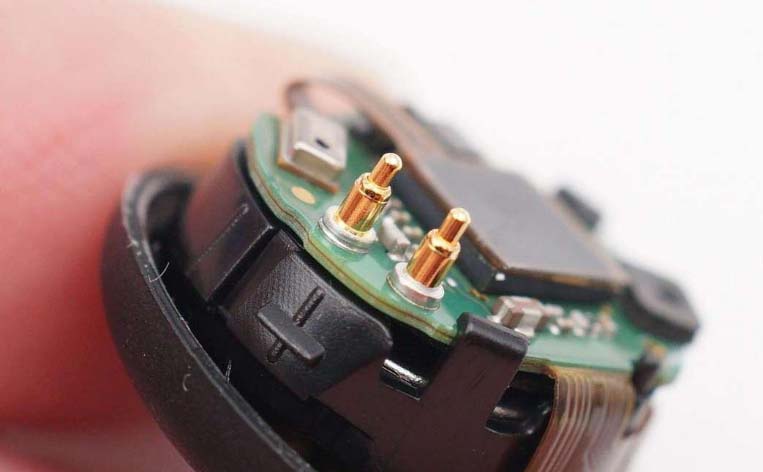
1. Introduction
Pogo pins are widely used in various electronic devices as spring - loaded connectors, playing a crucial role in establishing reliable electrical connections. However, one common issue that users and manufacturers often encounter is the deformation of pogo pins. This not only affects the performance and reliability of the electrical connection but may also lead to device malfunctions. Understanding the reasons behind this deformation is the first step towards finding effective solutions.
2. Reasons for Pogo Pin Deformation
2.1 Material - related Reasons
-
Inadequate Material Strength: Pogo pins are typically made of materials such as brass, beryllium copper, or stainless steel. If the selected material has insufficient mechanical strength, it is more likely to deform under stress. For example, brass has relatively lower strength compared to beryllium copper. In applications where pogo pins are subject to repeated mechanical stress, such as in docking stations for mobile devices where the pins are frequently mated and unmated, using a low - strength brass pogo pin may result in bending or deformation over time.
-
Spring Material and Fatigue: The spring inside a pogo pin is a critical component that provides the necessary contact force. If the spring material has poor fatigue resistance, it can lose its elasticity and deform after a certain number of compression and extension cycles. Common spring materials like some grades of steel may experience fatigue failure when exposed to high - frequency cyclic loading. For instance, in a test jig where pogo pins are used thousands of times to test printed circuit boards, a spring with low fatigue life may gradually deform, reducing the contact force and potentially leading to intermittent electrical connections.
-
Corrosion - induced Weakening: Pogo pins are often used in environments where they may be exposed to moisture, chemicals, or other corrosive substances. Corrosion can weaken the material of the pogo pin, making it more susceptible to deformation. For example, in a marine - based electronic device, the pogo pins may be exposed to salt - laden air. If the pins are not properly protected with a corrosion - resistant coating, the metal surface will corrode. The corrosion process can eat away at the material, reducing its cross - sectional area and ultimately causing the pin to deform under normal operating forces.
2.2 Design - related Reasons
-
Incorrect Spring Design: The design of the spring within the pogo pin is crucial. If the spring is not designed to match the required contact force and operating conditions, it can lead to deformation. For example, if the spring has too high a spring constant (stiffness), it may require excessive force to compress, which can cause the pogo pin to bend or the spring to deform plastically. On the other hand, if the spring constant is too low, the contact force may be insufficient, and the pogo pin may move around more freely, increasing the risk of misalignment and deformation during use.
-
Imbalanced Mechanical Structure: Pogo pins with an imbalanced mechanical structure are more likely to deform. This can occur when the dimensions of the pin, such as the length - to - diameter ratio, are not optimized. For example, if a pogo pin is too long and thin, it may be more prone to buckling under axial load. In addition, if the connection between the different parts of the pogo pin (such as the needle, the spring, and the housing) is not well - designed, it can cause stress concentrations at certain points, leading to deformation.
-
Lack of Shock - absorption Design: In applications where the device is subject to vibrations or shocks, pogo pins without proper shock - absorption features are at a higher risk of deformation. For example, in a handheld electronic device that may be dropped or bumped during normal use, the pogo pins need to be able to withstand the sudden impact forces. Without a design element to absorb these shocks, such as a rubber - like cushioning material or a shock - absorbing spring mechanism, the pogo pins may bend or break due to the high - impact forces.
2.3 Manufacturing - related Reasons
-
Inaccurate Machining Tolerances: During the manufacturing process of pogo pins, inaccurate machining tolerances can lead to problems. If the inner diameter of the pogo pin's housing is not machined to the correct size, it can cause the spring and the needle to fit improperly. For example, if the inner diameter is too large, the needle may move around too freely within the housing, increasing the risk of misalignment and deformation. On the other hand, if the inner diameter is too small, it can cause excessive friction when the needle is compressed and extended, which may also lead to deformation over time.
-
Poor Assembly Quality: Incorrect assembly of pogo pins can also result in deformation. If the spring is not properly installed, it may be under - or over - compressed during assembly. An over - compressed spring may be permanently deformed, reducing its effectiveness in providing the correct contact force. Additionally, if the different parts of the pogo pin are not assembled in a straight and aligned manner, it can create uneven stress distribution, leading to deformation during use.
-
Defective Plating: The plating on pogo pins is not only for improving electrical conductivity and corrosion resistance but also for providing a smooth surface for the components to move. If the plating process is defective, it can cause problems. For example, if the plating is too thick or uneven, it can interfere with the movement of the needle within the housing, causing increased friction and potential deformation. Moreover, a poorly - adhered plating layer may flake off over time, exposing the underlying material to corrosion and weakening the pogo pin.
2.4 Usage - related Reasons
-
Excessive Force Application: Pogo pins are designed to withstand a certain amount of force during normal operation. However, if excessive force is applied, for example, when inserting a battery into a device with pogo - pin - based contacts too forcefully or using a tool to push the pogo pin beyond its designed limit, it can cause the pin to bend or the spring to deform. In some cases, users may accidentally apply a lateral force instead of an axial force, which is more likely to cause the pogo pin to bend as it is not designed to withstand significant lateral loads.
-
High - frequency Mating and Unmating: In applications where pogo pins are frequently mated and unmated, such as in a test socket for semiconductor devices that may be used thousands of times a day, the repeated mechanical stress can cause the pogo pins to deform. Each mating and unmating cycle subjects the pogo pin to stress, and over time, these cumulative stresses can lead to fatigue failure and deformation.
-
Mismatched Connectors: Using pogo pins with mismatched connectors can also cause deformation. If the mating connector has a different geometry or contact - force requirement than the pogo pin is designed for, it can result in uneven pressure distribution on the pogo pin. For example, if the mating connector has a recess that is too shallow or too deep for the pogo pin, it can cause the pogo pin to be over - or under - compressed, leading to deformation.
3. Solutions to Pogo Pin Deformation
3.1 Material - related Solutions
-
Select High - quality Materials: Manufacturers should choose materials with high mechanical strength and good fatigue resistance for pogo pins. For applications where high - strength is required, beryllium copper is often a better choice than brass. Beryllium copper has excellent mechanical properties, including high yield strength and fatigue resistance, which can withstand repeated stress without deforming easily. In addition, for springs, using high - quality spring steels or specialty alloys can significantly improve their fatigue life. For example, alloys with a high content of nickel and chromium can enhance the spring's resistance to corrosion and fatigue.
-
Apply Anti - corrosion Coatings: To prevent corrosion - induced weakening, pogo pins should be coated with appropriate anti - corrosion materials. Gold plating is a common choice as it provides excellent corrosion resistance and good electrical conductivity. In addition, for more demanding environments, such as those with high humidity or chemical exposure, a combination of coatings can be used. For example, a base layer of nickel plating can be applied first to provide a good adhesion surface, followed by a top layer of gold plating for enhanced corrosion protection.
-
Regular Material Testing: To ensure the quality of the materials used, regular material testing should be carried out. This can include mechanical testing, such as tensile strength and fatigue testing, as well as chemical testing to check for material composition and corrosion resistance. By conducting these tests, manufacturers can identify any material - related issues early and make adjustments to the material selection or manufacturing process.
3.2 Design - related Solutions
-
Optimize Spring Design: Spring design should be optimized based on the specific application requirements. This includes calculating the appropriate spring constant to achieve the required contact force while ensuring that the spring does not over - or under - compress during normal operation. Finite element analysis (FEA) can be used to simulate the behavior of the spring under different loads and conditions, allowing designers to fine - tune the spring design. For example, by adjusting the number of coils, the wire diameter, and the free length of the spring, the spring constant can be optimized.
-
Balance the Mechanical Structure: The mechanical structure of the pogo pin should be designed to be balanced. This involves optimizing the dimensions of the pin, such as the length - to - diameter ratio, to prevent buckling. In addition, the connection between different parts of the pogo pin should be designed to evenly distribute stress. For example, using a smooth transition between the needle and the spring housing can reduce stress concentrations. Designers can also consider adding reinforcing elements, such as ribs or thicker sections in critical areas, to improve the structural integrity of the pogo pin.
-
Add Shock - absorption Features: To protect pogo pins from vibrations and shocks, shock - absorption features can be added to the design. This can include incorporating a rubber or elastomeric cushioning material around the pogo pin to absorb impact forces. Another option is to use a secondary spring mechanism that can act as a shock absorber. For example, a nested - spring design where an outer spring provides the primary contact force and an inner spring is designed to absorb sudden shock loads.
3.3 Manufacturing - related Solutions
-
Ensure Precise Machining Tolerances: Manufacturers should use high - precision machining equipment and strict quality control measures to ensure accurate machining tolerances. This includes carefully controlling the inner and outer diameters of the pogo pin's components, as well as the lengths and other critical dimensions. Regular calibration of the machining equipment and in - process inspection using precision measuring tools, such as coordinate measuring machines (CMMs), can help maintain tight tolerances. By ensuring precise machining, the proper fit and function of the pogo pin components can be guaranteed, reducing the risk of deformation.
-
Improve Assembly Quality: Assembly processes should be carefully designed and monitored to ensure high - quality assembly. This can include using automated assembly equipment to ensure consistent and accurate assembly. Workers should be trained to follow strict assembly procedures to ensure that the spring is installed correctly and the different parts of the pogo pin are assembled in a straight and aligned manner. In addition, quality control checks should be carried out after assembly to detect any misassembled pogo pins before they are shipped to the customer.
-
Enhance Plating Quality: The plating process should be optimized to ensure a high - quality finish. This includes controlling the plating thickness, ensuring even distribution of the plating, and improving the adhesion of the plating layer. Advanced plating techniques, such as electroplating with precise control of current density and temperature, can be used to achieve a more uniform and durable plating. In addition, post - plating treatments, such as annealing or passivation, can be applied to improve the mechanical and chemical properties of the plating layer.
3.4 Usage - related Solutions
-
Educate Users on Proper Handling: Users should be educated on the proper handling of devices with pogo pins to avoid applying excessive force. This can include providing clear instructions in the device's user manual on how to insert and remove components, such as batteries or accessories, that are connected via pogo pins. In addition, warning labels can be placed on the device to remind users to handle the pogo - pin - based connections gently.
-
Limit Mating and Unmating Cycles: In applications where pogo pins are subject to high - frequency mating and unmating, measures can be taken to limit the number of cycles. For example, in a test socket, the design can be optimized to reduce the number of times the pogo pins need to be mated and unmated. This can involve using a modular design where only the necessary parts of the test socket need to be replaced instead of repeatedly using the same pogo pins.
-
Verify Connector Compatibility: Before using pogo pins, it is essential to verify the compatibility of the connectors. This can involve checking the mechanical and electrical specifications of both the pogo pin and the mating connector to ensure they are a proper match. Manufacturers can provide compatibility charts or guidelines to help users select the correct pogo pins and connectors for their applications. In addition, during the design phase of an electronic device, engineers should conduct thorough compatibility testing to ensure that the pogo - pin - based connections function properly without causing deformation or other issues.
4. All about pogo pin details
The deformation of pogo pins
magnetic connector is a complex issue that can be caused by a variety of factors related to materials, design, manufacturing, and usage. By understanding these causes and implementing the corresponding solutions, manufacturers and users can significantly reduce the occurrence of pogo pin deformation. This not only improves the performance and reliability of electronic devices but also extends the lifespan of pogo pins, ultimately leading to more efficient and cost - effective use of these important electrical connectors. Whether it is through better material selection, optimized design, improved manufacturing processes, or proper user handling, addressing pogo pin deformation is crucial for the continued development and success of modern electronics.

 WhatsApp:+8613652508770