Pogo Pin insertion and removal times and service life
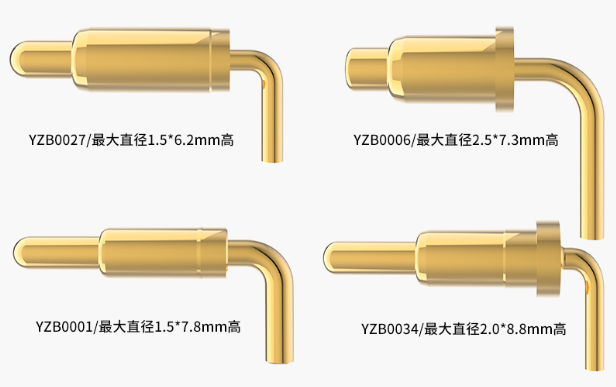
Pogo Pin, a small elastic needle with a spring, referred to as a spring pin, is a connector assembly widely used in a variety of electronic devices. Its unique spring structure enables it to provide a stable electrical connection when in contact, while supporting repeated insertion and removal, so it is widely used in a variety of applications requiring frequent connection and disconnection. This paper will discuss in detail the number of Pogo Pin insertion and removal and service life, and analyze the key factors affecting these factors.
First, the number of Pogo Pin insertion and removal
The number of inserts and inserts of
Pogo pins is one of the important indicators to measure their durability and reliability. The number of insertion and removal refers to the number of times that the Pogo Pin can be inserted and removed repeatedly under normal conditions of use. This metric is crucial for devices that require frequent connections and disconnections, such as smartphones, tablets, wearables, and more.
1. Routine insertion and removal times
• In general, the number of Pogo pins can reach tens or even hundreds of thousands of times. This range depends on a variety of factors such as the specific design of the Pogo Pin, material selection, production process, and use environment.
2. The number of inserts and removals of high-quality Pogo pins
• Some high-quality Pogo pins can be inserted and removed more than 1 million times through the use of high-quality materials, fine machining and special design. These Pogo pins are commonly used in applications where connection reliability and durability are highly required, such as high-end smartphones, medical devices, etc.
Second, the service life of Pogo Pin
The service life of the Pogo Pin refers to the time or number of times that it can continue to work stably under normal conditions of use. This index is also affected by a variety of factors, including design, materials, production process, use environment, etc.
1. Measurement of service life
• The service life of a Pogo Pin is usually measured by the number of inserts and removals. After reaching a certain number of insertings, the performance of the Pogo Pin may gradually decline, such as increased contact resistance and unstable signal transmission. Therefore, the number of insertions is one of the important indicators to measure the service life of Pogo Pin.
2. Key factors affecting service life
• Design factors: The design of a Pogo Pin has an important impact on its service life. For example, the length and diameter of the needle, the stiffness of the spring, and other parameters will affect the number of inserts and inserts and the durability of the Pogo Pin. Reasonable design can extend the service life of Pogo Pin.
• Material factors: The material choice of the Pogo Pin also has an important impact on its service life. High-quality materials can improve the electrical conductivity, mechanical strength and corrosion resistance of Pogo pins, thereby extending their service life.
• Production process: The production process also has a significant impact on the service life of the Pogo Pin. The fine machining process ensures the accuracy and consistency of the Pogo Pin, reducing performance degradation and shortened life due to manufacturing defects.
• Use environment: The use environment of the Pogo Pin also has an important impact on its service life. Harsh environmental conditions (such as high temperature, low temperature, humidity, corrosion, etc.) will accelerate the aging and damage of Pogo Pin and shorten its service life.
Iii. Case analysis of Pogo Pin insertion and removal times and service life
1. Smartphone apps
• In smartphones, Pogo pins are often used for wireless charging, data transmission and other occasions. Due to the high frequency of smartphone use, the number of plugs and plugs and durability of the connector are required. Some high-quality smartphones use Pogo pins that can be inserted and removed hundreds of thousands of times, ensuring the stability and reliability of the device.
2. Wearable device application
• Wearable devices are usually small in size and compact in structure, and have high requirements for connector size and insertion and removal times. Some wearable devices use a miniature Pogo Pin as a charging and data transmission interface, which can be inserted and removed tens of thousands of times, meeting the needs of frequent connection and disconnection of devices.
3. Medical device application
• Medical devices place high demands on connector reliability and durability. Some high-end medical devices use high-quality Pogo pins as connection components, which can be inserted and removed more than 1 million times, ensuring long-term stable operation of the device and patient safety.
Fourth, the method of extending the service life of Pogo Pin
In order to extend the service life of Pogo Pin, the following measures can be taken:
1. Select high-quality materials: Select materials with good electrical conductivity, high mechanical strength and strong corrosion resistance to make Pogo Pin to improve its overall performance and service life.
2. Optimization design: According to specific application scenarios and needs, reasonably design the structure and parameters of Pogo Pin, such as needle length, diameter, spring stiffness, etc., to extend its service life.
3. Fine processing: The use of fine processing technology to make Pogo Pin, to ensure its accuracy and consistency, reduce the performance decline and shorten the life caused by manufacturing defects.
4. Reasonable use: When using Pogo Pin, correct operation methods and use specifications should be followed to avoid damage caused by excessive insertion or improper use.
5. Regular maintenance: Check and maintain Pogo Pin regularly, discover and deal with potential problems in time, and ensure its long-term stable operation.
V. Summary
The number of insertion and removal of Pogo Pin and its service life are one of the important indicators to measure its performance and reliability. The number of insertions and service life are affected by many factors, including design, materials, production process and use environment. Through the selection of high-quality materials, optimized design, fine processing, rational use and regular maintenance, the service life of the Pogo Pin can be extended and its overall performance improved. In practical applications, the appropriate Pogo Pin products should be selected according to the specific needs and conditions, and the correct use methods and maintenance specifications should be followed to ensure the stability and reliability of the equipment.

 WhatsApp:+8613652508770